
How to Become the Ideal Freelancer
With the rapid development of society and advancements in technology, more people are turning to freelancing. Freelancers are no longer bound by traditional office jobs;

1215537249271442
Skip to content
in Malaysia aims to provide individuals with practical skills and knowledge required for specific industries, trades, or professions. Upon completing TVET in the vocational-technical field, the Malaysian Skills Development Department (Jabatan Pembangunan Kemahiran, JPK) issues the Sijil Kemahiran Tahap 3 (SKM3) certificate to assess and acknowledge an individual’s skill level in the vocational-technical domain. This certification is part of the Skills Development Department’s Vocational Qualification System (VQS), designed to enhance the quality of technical and vocational education and ensure that Malaysia’s workforce remains internationally competitive.
80% practice + 20% theory
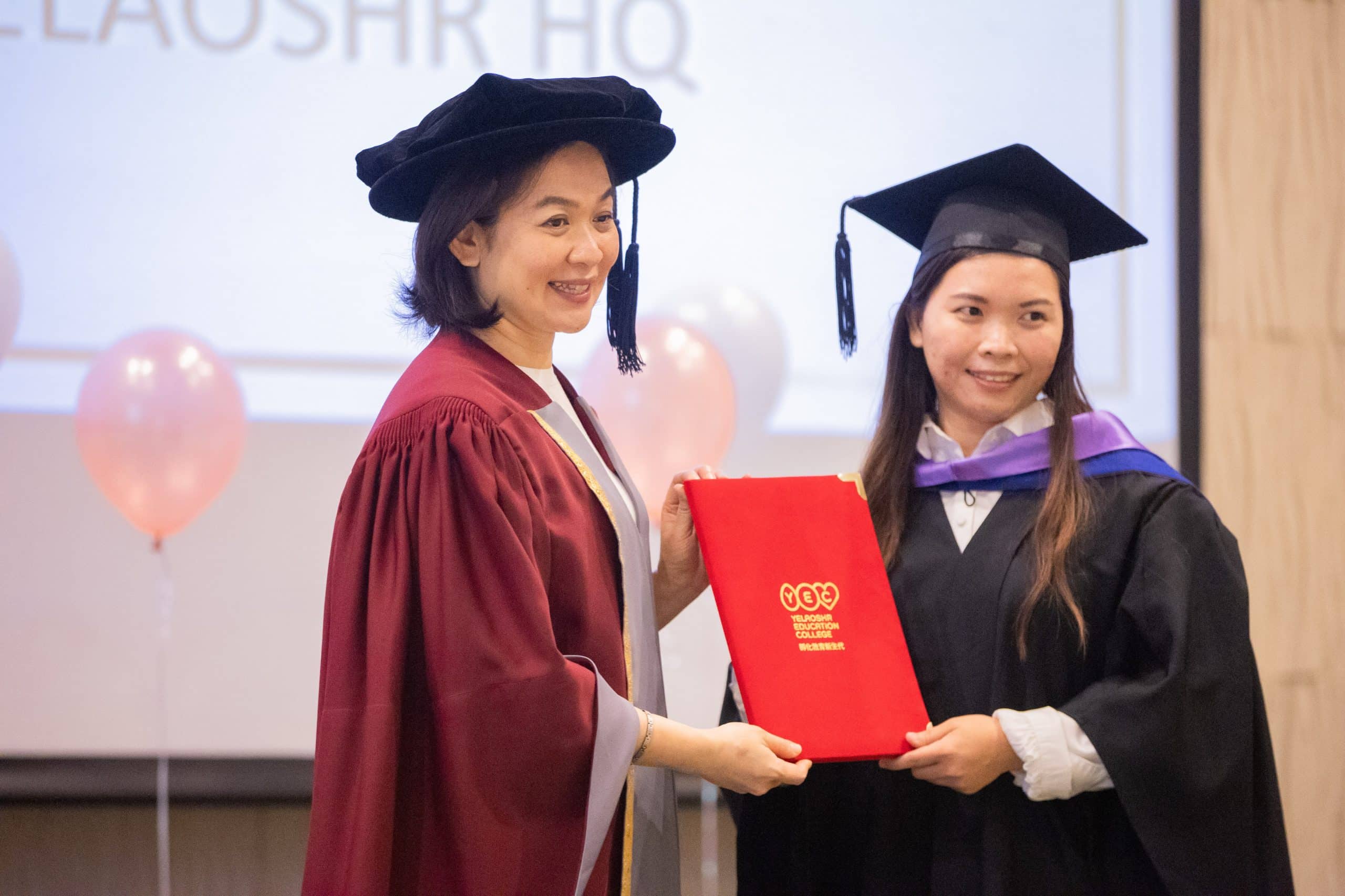
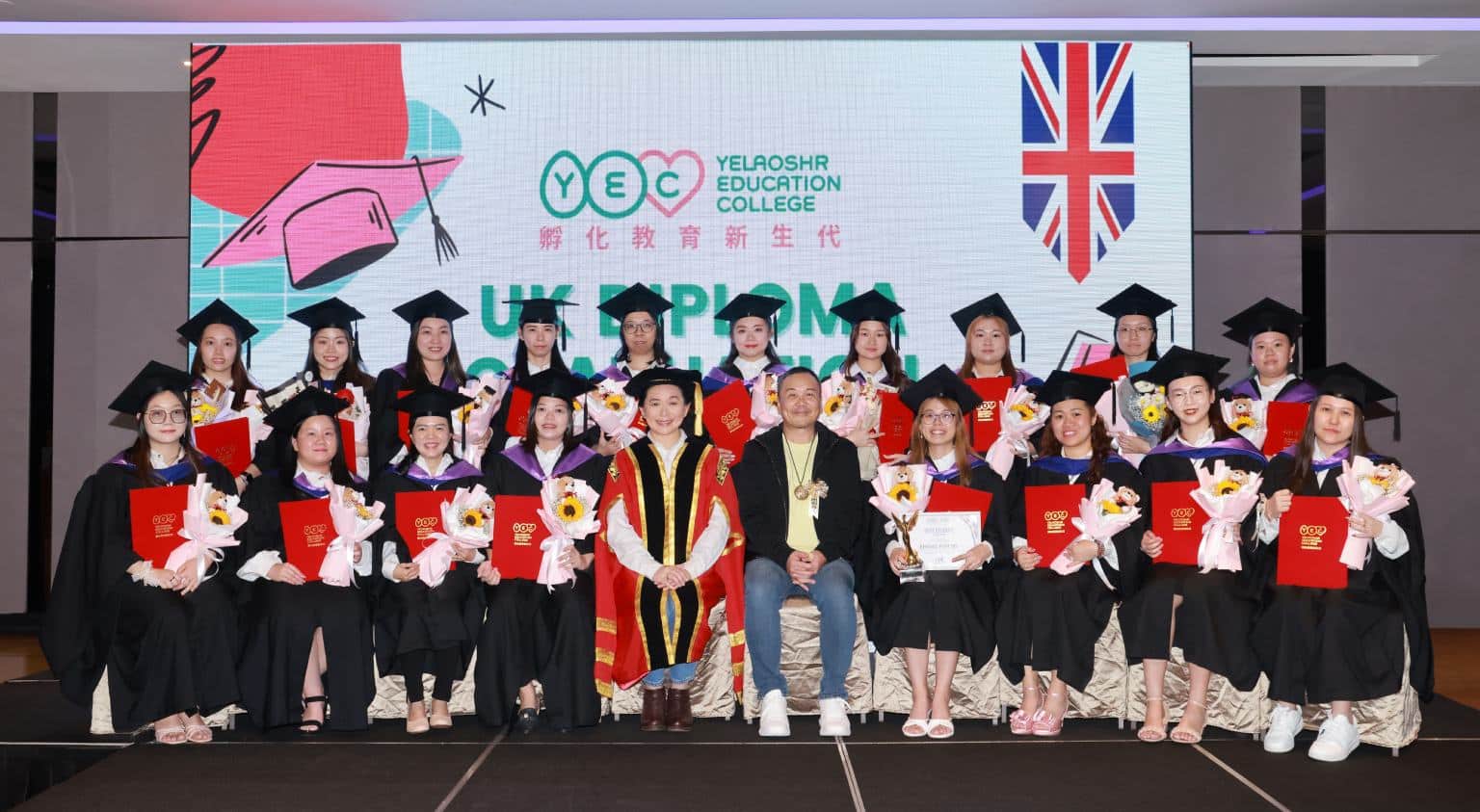
Over the years, YEC has witnessed many success stories. Many students started with no background but, through YEC’s career planning, step by step, they have become outstanding teachers, trainers, supervisors, principals, and even entrepreneurial partners, opening their own centers. At YEC, you don’t just receive a graduation certificate; you achieve remarkable success and become a highly capable professional.
In Malaysia, TVET stands for Technical and Vocational Education and Training. It refers to the educational programs and initiatives that equip individuals with the technical skills and knowledge required for various trades, industries, or occupations. TVET programs typically combine both theoretical and practical learning experiences. They are designed to meet the demands of the job market and address the skill gaps in various sectors such as manufacturing, construction, healthcare, information technology, and more.
TVET offers various courses and certifications, including advanced diploma, diploma, certificates, apprenticeships and technical education. These programs can be pursued at vocational schools, technical institutes, community colleges, specialized training centres and other private TVET providers. The curriculum is often developed by collaborating with industry experts like YELAOSHR to ensure it aligns with current industry standards and requirements.
Some key features of TVET include hands-on training, industry-relevant skills development, work-based learning opportunities, and close collaboration between educational institutions and employers. This approach enables students to acquire the practical skills and knowledge needed to succeed in their chosen careers. TVET is crucial in promoting economic growth, reducing unemployment, and addressing skill shortages in many countries. It provides individuals with a pathway to gain employment or start their businesses, contributing to personal and societal development.
Technical Vocational Education (TVET) and Traditional Academic Education differ in focus and purpose. TVET programs emphasize practical skills and knowledge relevant to specific trades or industries, preparing students for the workforce. Traditional academic education focuses on theoretical knowledge across various subjects, aiming to provide a comprehensive education and prepare students for further academic pursuits. TVET emphasizes hands-on training and industry-specific skills, while traditional academic education focuses on theoretical concepts and critical thinking. Assessments and teaching methods also differ between the two. TVET provides direct pathways to specific careers, while traditional academic education offers broader career options requiring higher education degrees. Both forms of education play vital roles in a well-rounded education system in Malaysia.
Technical Vocational Education and Training (TVET) is suitable for a wide variety of students with these characteristics and interests. Here are some types of students who may find a TVET course particularly suited to their educational and career goals:
In today’s high-tech and capital-dependent economy, there is an ever-increasing demand for skilled workers. As the industry transitions to technology-driven operations, employees with knowledge, skills and a positive attitude are needed. TVET plays a vital role in developing people with practical expertise, making them highly sought after in the job market.
After technical training, graduates have the potential to find suitable jobs based on the skills they have acquired. Additionally, as they gain experience and build professional networks, they also have the opportunity to start and start businesses.
The shift to a high-tech economy has created a scarcity of highly skilled technical workers, creating recruitment and onboarding challenges for technology companies. While tech companies tend to face more job openings than other companies, the need for skilled labour goes beyond the tech industry. This points to a broad demand for skilled labour across industries.
As one of the best private TVET institutions, we offer TVET Early Childhood Education courses in Malaysia. These TVET programmes provide students with the knowledge and skills needed to work in the early childhood education industry. Graduates of our program can pursue careers as early childhood educators, preschool teachers or childcare providers. Our TVET Malaysian Skills Diploma (Diploma Kemahiran Malaysia) in Malaysia is designed to meet the demand for skilled professionals in early childhood education.
Employers in Malaysia generally recognize and value TVET qualifications. These qualifications provide individuals with practical skills and specialized knowledge directly applicable to the workforce. TVET graduates are equipped with specific skills that are in demand by employers, making them desirable candidates for various industries. Additionally, the government has been actively promoting TVET programs and collaborating with industry partners to ensure the relevance and recognition of these qualifications in the job market.
Therefore, the teachers we aim to cultivate must be “soul engineers” full of anticipation and love for life.
They must:
“Be guides for children, nurturing their self-learning abilities;
Be inspirers for children, igniting their passion for life!”
We strongly believe that every child has the right to a productive, enjoyable learning experience and should enjoy a more relaxed, pleasant way of learning. This means we should abandon rote memorization and forced indoctrination in education. Therefore, when you join us, you are actually igniting the light of hope in children, giving them a new perspective on learning, no longer finding it difficult or tedious.
| Unit 1: An Introduction to the Theory & Practice of the Child-centered Learning Method | Unit 5: Child Guidance |
| Unit 2: Observation & Assessment of Young Children | Unit 6: Reading Programme for Young Children |
| Unit 3: Introduction to Special Educational Needs and Learning Disabilities | Unit 7: Creativity and Multiple Intelligence Learning for Young Children |
| Unit 4: Understanding and Managing Educare |
| Unit 1: An Introduction to the Theory & Practice of the Child-centered Learning Method |
| Unit 2: Observation & Assessment of Young Children |
| Unit 3: Introduction to Special Educational Needs and Learning Disabilities |
| Unit 4: Understanding and Managing Educare |
| Unit 5: Child Guidance |
| Unit 6: Reading Programme for Young Children |
| Unit 7: Creativity and Multiple Intelligence Learning for Young Children |
| Unit 1: Center Operation and Management | Unit 4: Center Parents and Students Management |
| Unit 2: Center Safety and Security | Unit 5: Center Business Management |
| Unit 3: Center Manager Operation On Job Training | Unit 6: Center Training Management |
| Unit 1: Center Operation and Management |
| Unit 2: Center Safety and Security |
| Unit 3: Center Manager Operation On Job Training |
| Unit 4: Center Parents and Students Management |
| Unit 5: Center Business Management |
| Unit 6: Center Training Management |

With the rapid development of society and advancements in technology, more people are turning to freelancing. Freelancers are no longer bound by traditional office jobs;
Are you looking for a kindergarten and tuition centre franchise and collaboration opportunity in Malaysia? This article covers everything you need to know.

At the beginning of my entrepreneurial journey, I was a teacher running a one-person company, doing everything myself. As my student base grew, I began hiring help to realize my educational dreams and ideals.